
 Indonesia
The world's
biggest cleaning day, World Cleanup Day yesterday (18/9) was commemorated by
the world community with a number of actions. One of them is the waste sorting
education entitled "Giat Sorting Garbage" conducted by Dukuhdempok
village officials and Imaji Sociopreneur to 120 RT/RW around the village
environment.
Also
attended by the Head of the Wuluhan Sub-district, Slamet Wijoko and the Head of
the Wuluhan Sector Police, Arief, this activity began with a clean-up agenda
with the environment around the village hall.
Village
Head Miftahul Munir said that waste sorting education for RT/RW was the first
step towards the Climate Village program that was promoted by his side.
"It is
hoped that this sorting education will also be passed down by RT/RW to the
community, so that in the future when the Integrated Waste Management Site
(TPST) is completed, the people of Dukuhdempok are used to sorting and managing
their waste," he said.
Regarding
the TPST concept, Munir added that his party also cooperated with a number of
community groups engaged in the environmental sector in Dukuhdempok. One of
them is the Istana Maggot group which is engaged in organic waste management.
"So in
the future, not only non-organic waste is managed through a waste bank, but we
can also process organic waste," he added.
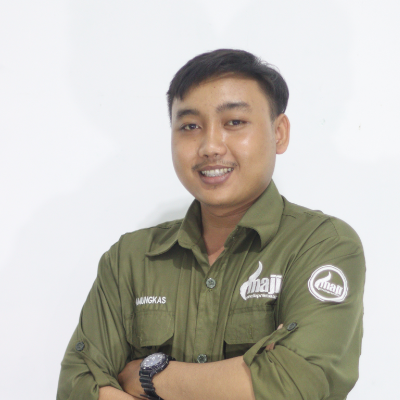
The Imaji
Sociopreneur team who was the speaker in the activity also invited the
participants to change their perspective on waste.
"The
problem is that most people think that waste has no value, even though, if it
is managed properly, it has great value," said Dona Rendra, an
environmental assistant at Imaji Sociopreneur.
In
addition, according to him, the volume of household waste that is increasingly
unstoppable is the time to be managed properly. In addition to contributing to
protecting the environment, it can also be an alternative income for the
community.
"In
the end, waste that has been considered trivial can actually be a blessing. But
here is the challenge, there must be a common awareness to manage it," he
added.
This
educational activity ended with the practice of sorting waste together into
several types, namely plastic, paper, and organic waste. *


